
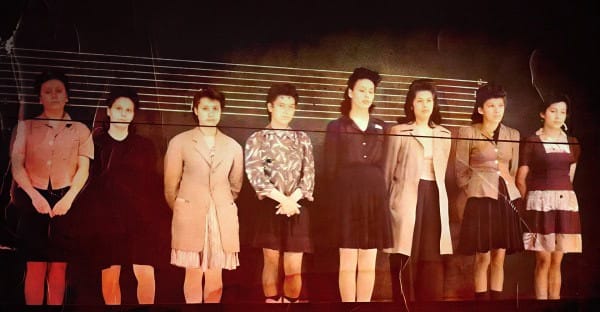
One of the potentially overlooked aspects of World War 2 (or World War 1, for that matter) was the affect such a conflict had on the day to day life of those far away from the center of things. Kids, teenagers for example – how was the war affecting them as an age group?
Studies were made and, in this episode of Mutual’s Northerwestern Reviewing Stand from May 15, 1943, discussed at length over just how much things had changed since America was plunged into the war and was whether or not Britain was having a similar problem.
It was determined British kids were probably less likely to get involved in delinquency than their American counterparts because, unless they were young enough to be transported away from Urban centers like London and Liverpool, getting involved in petty crime and gang violence was highly unlikely owing to bombings, threats of German invasion and a general lack of just about everything.
Not so in America where Youthful crime had dramatically increased since 1942 – most families had parents out either doing war work or working overtime to make up for the drop in workforce owing to the draft and enlistments in the military service. That left a lot of what later became known as “latchkey kids” who got into crime out of boredom, formed gangs and generally went wild over lack of supervision and, in some cases, with the influx of cash owing to booming economic times with increased wages and a subsequently flourishing middle class, petty larceny, robberies and shoplifting skyrocketed.
Also on the radar, and gaining prominence was the appearance of girl gangs – young females involved in crime at an alarming rate.
All of this was leading the panel to question whether this future of urban living was going to continue after the war, or would things settle down?
It was only 1943 and many Teenagers were convinced the war would drag on for many more years – it was also fostering an attitude of “there’s no tomorrow” since kids who were seventeen in 1943 would be 18 in 1944 and no doubt drafted into the military.
It was an unsure time, not only with what was going on in the war in Europe and the Pacific, it was also creating an unsure time at home.
To get an idea what was going on, here is that episode of Mutual’s Northwestern Reviewing Stand as it was heard on May 15, 1943.
